
HOW TO FIND LANDSCAPES CLOSE TO HOME
For years, I believed that great landscape photography required traveling to distant places. I spent countless hours scrolling through Instagram, captivated by stunning photos from Iceland, the Scottish Highlands, and the plains of Africa. While these images were breathtaking, after seeing the same or similar shots repeatedly, it became apparent that the message was clear: if you’re not willing to venture far, you won't capture anything truly worthwhile.
I believed in it. I spent my weekends in the car, dedicating hours to planning trips, monitoring weather forecasts, and hoping for good lighting conditions. Sometimes, I got lucky, but often I didn’t. In the meantime, my own backyard, filled with fields, woods, and rivers, went neglected.
Taking that first step out your door and heading to a nearby location means you don’t have to travel for hours or spend a lot of money to capture meaningful landscape photos. You just need to start noticing the beauty in your local environment.
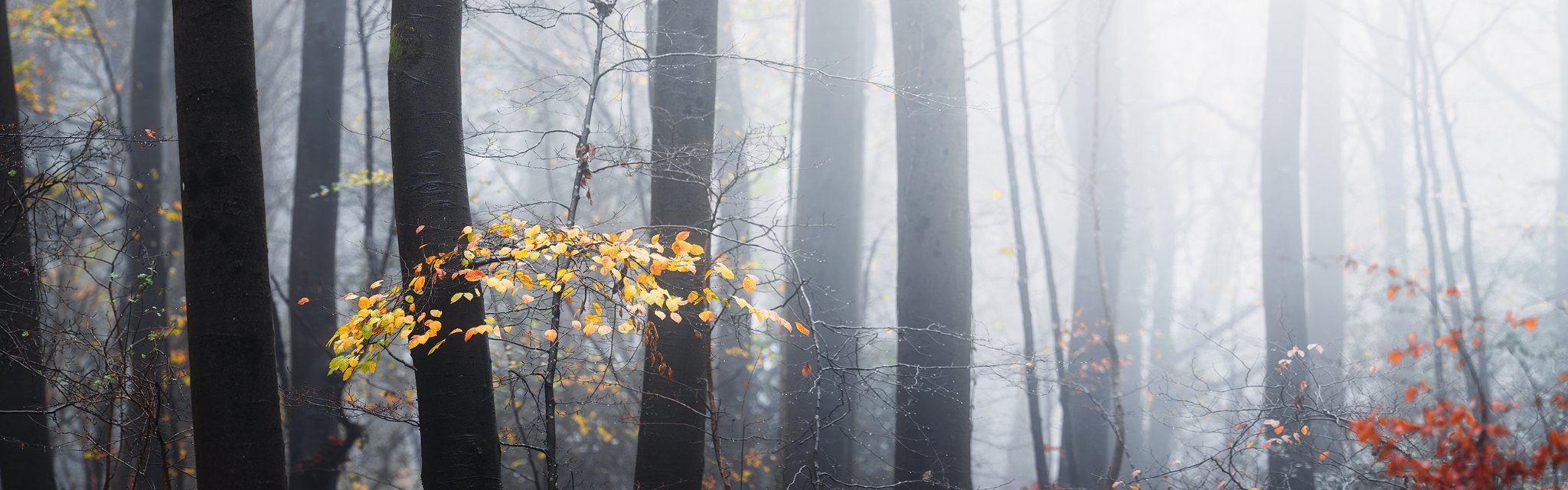
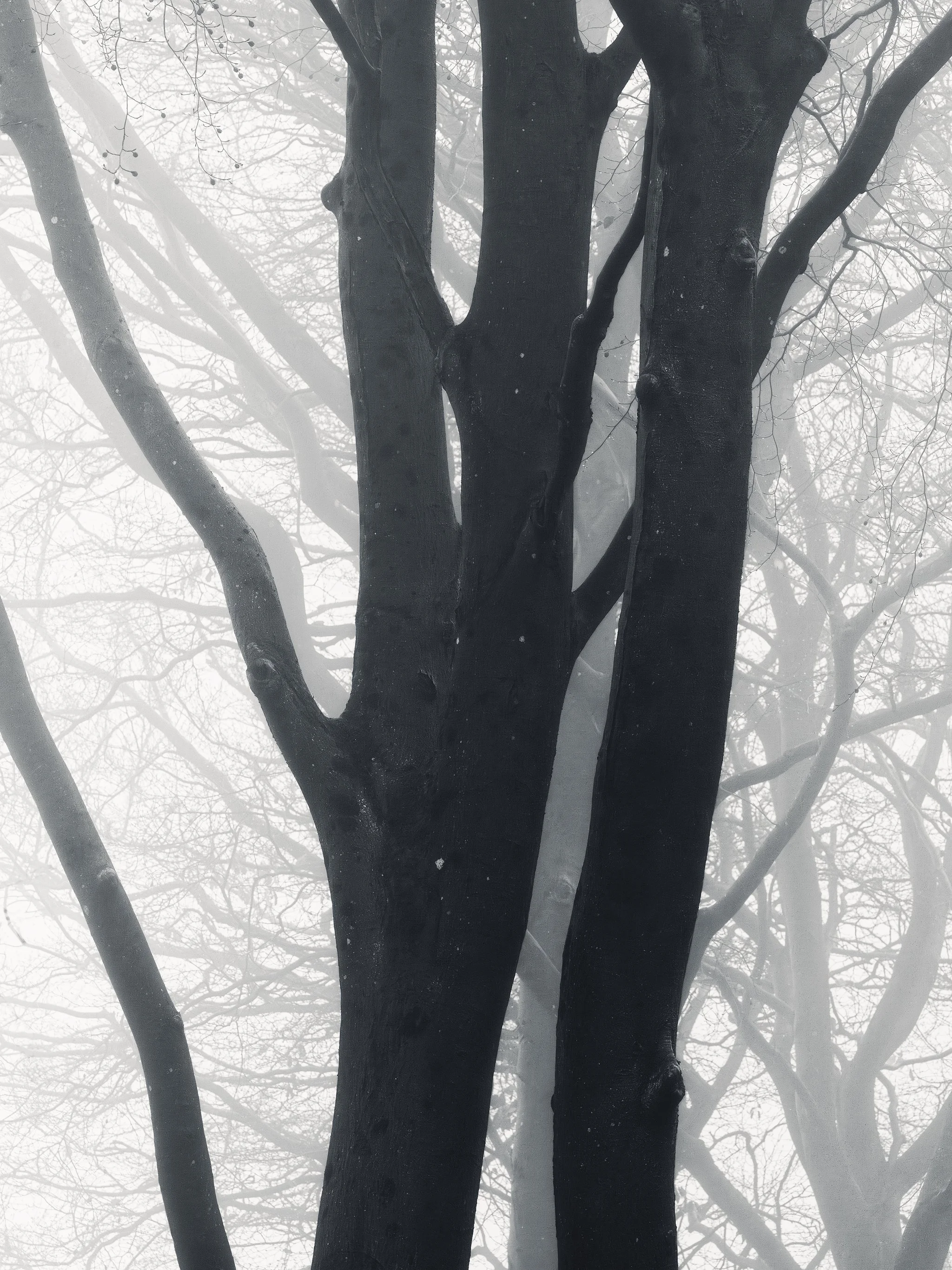
My local forest during a foggy morning in late Autumn.
It wasn’t until one ordinary morning that everything changed. I grabbed my camera and drove ten minutes from my home without a specific destination in mind. I wasn’t expecting much, but what I found transformed the way I think about photography. I noticed patterns in the trees, subtle reflections in puddles, and light playing across a field in ways I had never observed before. In that moment, I realized that the distance I had been chasing was never the real key. It was about truly seeing what was already around me.
Scout Locally
Exploring your local area is a great first step. Parks, rivers, trails, and forests often hide incredible photographic opportunities, so take the time to look closely. Start by walking around, taking notes, and observing how light interacts with the landscape at different times of day. Tools like Google Maps, Photopills, and local hiking apps can help you discover spots you might have overlooked. The key is to stay curious. Treat every location as though it could be your next masterpiece.
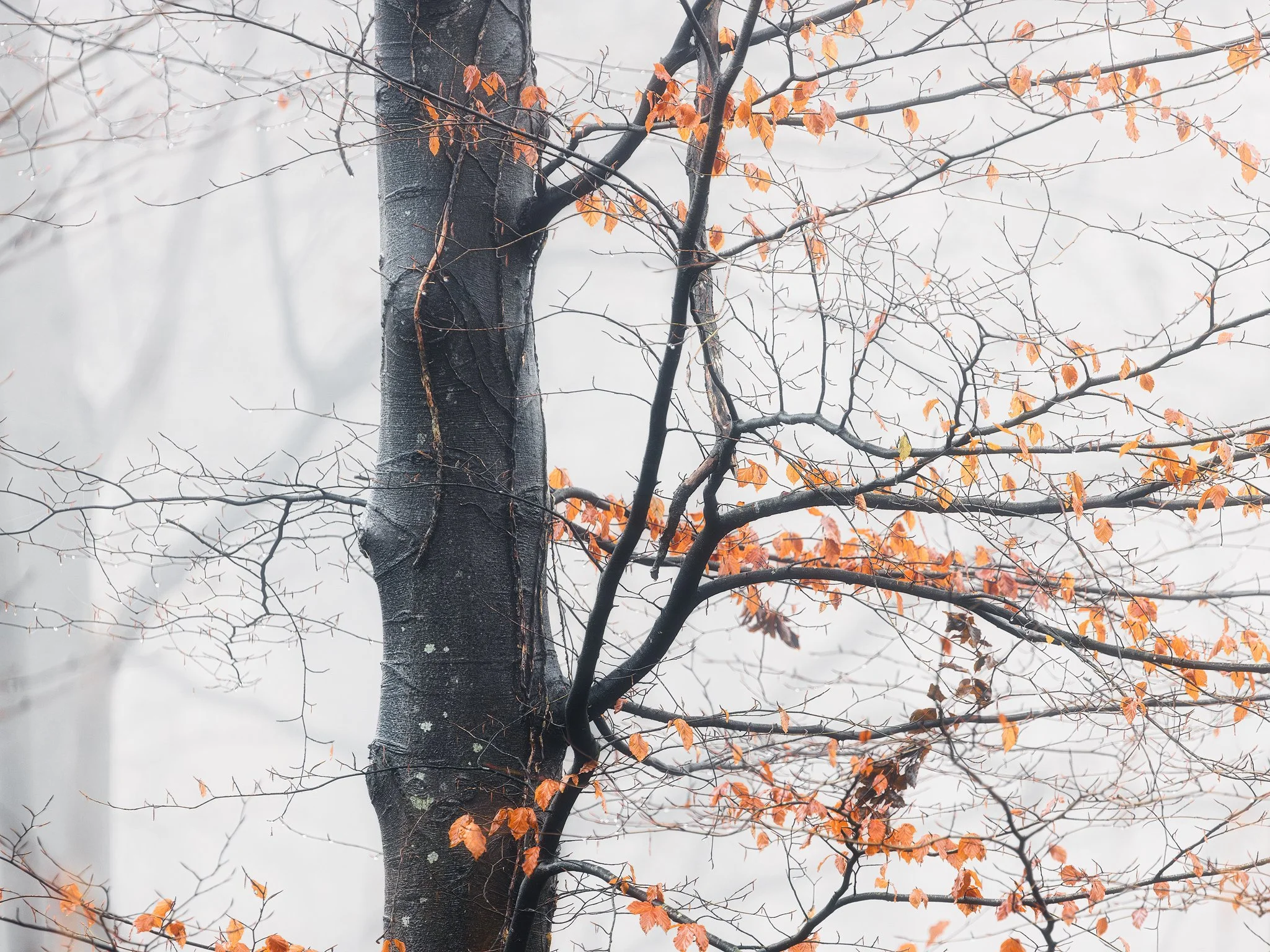
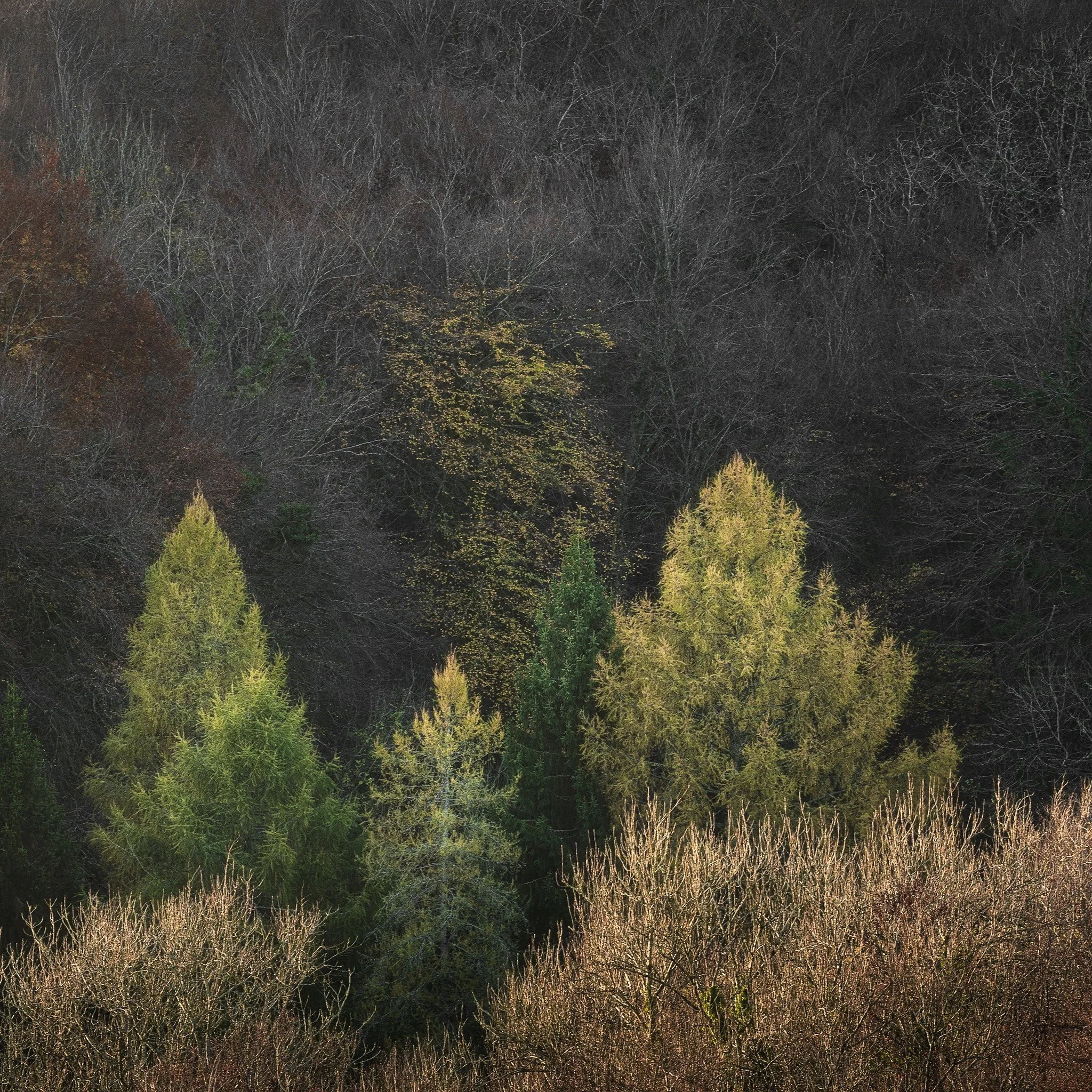
Using a telephoto lens allows you to isolate subjects more effectively, enhancing the definition of their shapes and textures.
Observe Light and Weather
Light plays a crucial role in landscape photography. The exact location can look entirely different at sunrise, noon, or sunset. Weather conditions such as fog, clouds, rain, or even reflections after rain can transform ordinary scenes into extraordinary ones. Make it a habit to revisit the same location under different conditions. By understanding how weather and light affect a scene, you can anticipate moments that will make your photos stand out. This approach not only enhances your images but also trains your eye to recognize beauty in various settings.
Change Your Perspective
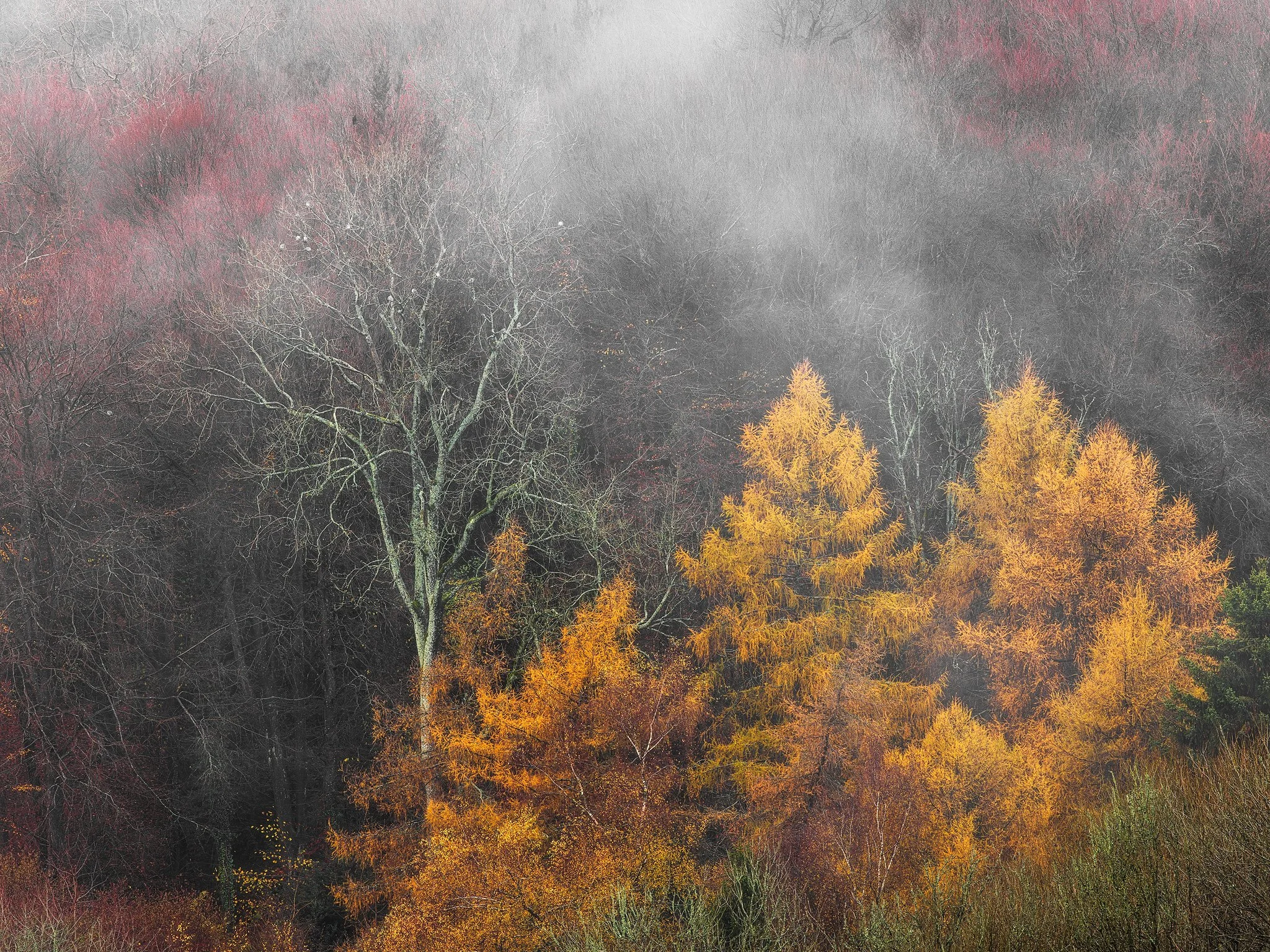
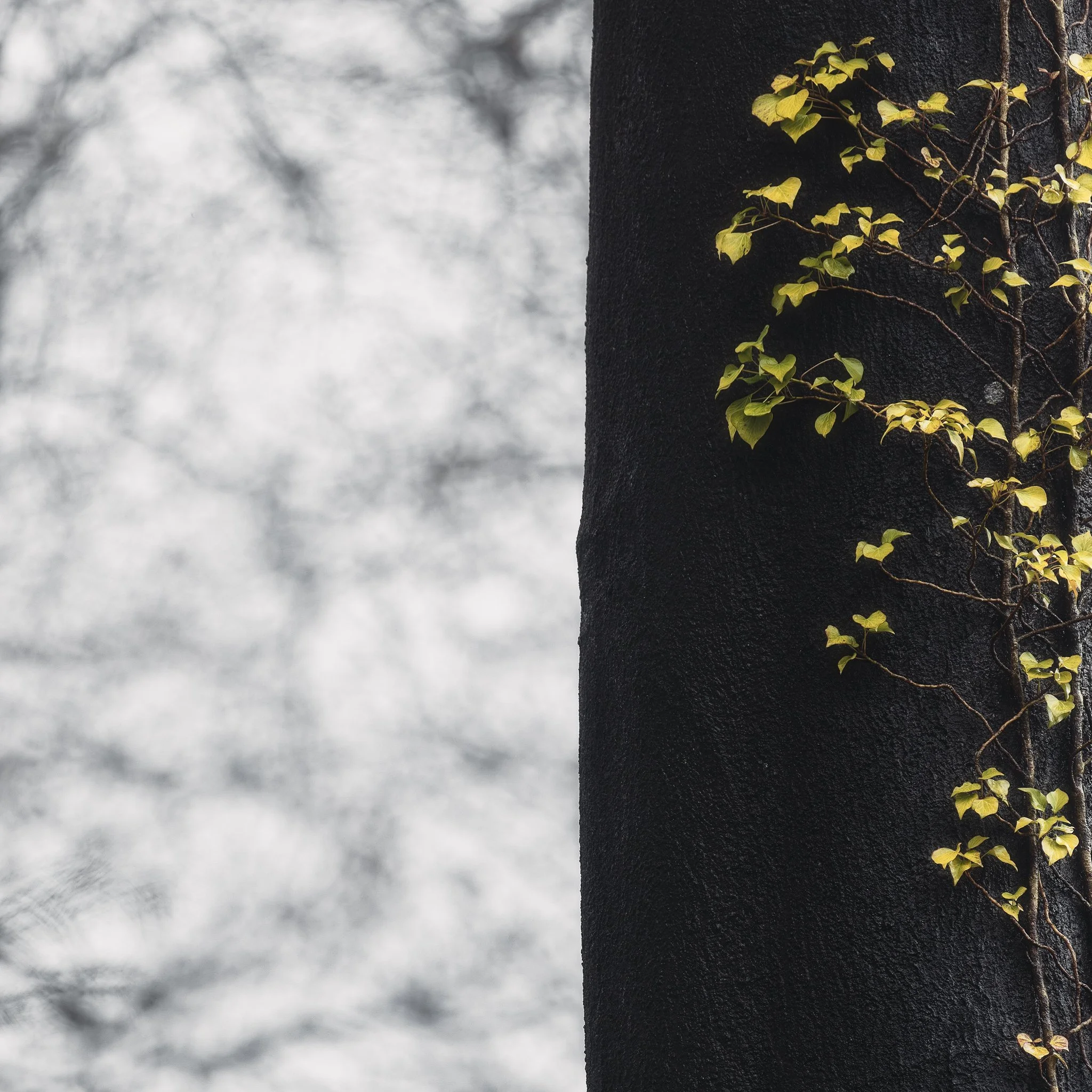
Ordinary landscapes can become extraordinary simply by shifting your perspective. Try getting low to the ground to capture interesting foreground elements, or use the natural patterns and shapes around you to frame your composition. Alternatively, step back to better understand how different elements interact within the scene. Approach every location as if it were a renowned national park. By actively seeking elements like symmetry, leading lines, and depth, you will start to notice details that make your photographs feel intentional rather than just random snapshots. Remember, perspective isn’t solely about camera angles; it’s also about your mindset.
The Emotional Aspects of Local Photography
There’s an often-overlooked aspect of photographing landscapes near home. When you explore locally, you begin to develop a deeper connection with your surroundings. You start to notice seasonal changes, the subtle movements of wildlife, and how different light impacts the same trees or rivers day after day. This relationship adds depth to your photography; you’re not just documenting scenery. You’re telling the story of a place that you genuinely know and care about.
Moreover, photographing local landscapes makes the art form more accessible. Not everyone has the time or budget for distant trips, but everyone can step outside. You don’t need exotic locations to create work that you’re proud of. By slowing down and observing what’s around you, you cultivate patience, attention to detail, and a creative mindset that will benefit you in all aspects of your photography.
Putting the Tips into Practice
When I first began exploring my local area, I kept a notebook to track potential photography spots and the conditions at each location. I revisited these places multiple times, experimenting with different angles, lenses, and compositions. Some days yielded nothing, while other days I stumbled upon scenes that rivaled those I had captured on distant trips. The key was to show up consistently and train myself to see opportunities instead of emptiness.
This process is something anyone can do. Start small by choosing one location near your home and visiting it several times at different times of the day and in various weather conditions. Pay attention to patterns, lighting, and unique compositions. Over time, you’ll build a catalog of local landscapes that you can draw from for months or even years.
A Shift in Mindset
Ultimately, the lesson extends beyond photography; it’s about paying attention. It’s about noticing what’s already in front of you rather than constantly chasing the next horizon. Local photography teaches patience, observation, and creativity. It reminds you that you don’t need to travel far to find something meaningful; you just need to look at your surroundings differently.
In the video, I share my journey of transitioning from chasing far-off locations to discovering the beauty in my local environment. I provide practical steps for scouting, observing, and adopting a new perspective. Most importantly, I hope to inspire you to open your eyes to the landscapes waiting right outside your door.
Photography doesn’t always have to involve distance or expense. It’s about perspective, curiosity, and the willingness to see the extraordinary in the ordinary. The next time you step outside with your camera, remember that your best shot might be closer than you think.