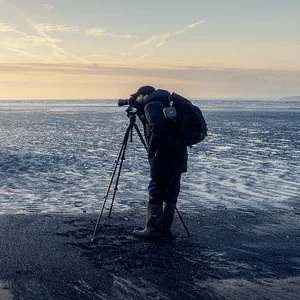

The Western Cape region in South Africa is a treasure trove for capturing stunning seascapes. From the monstrous waves crashing against jagged rocks along the coastline to the pristine white sands and dunes that create some of the world’s most beautiful beaches, this area offers a diverse range of breathtaking sights.
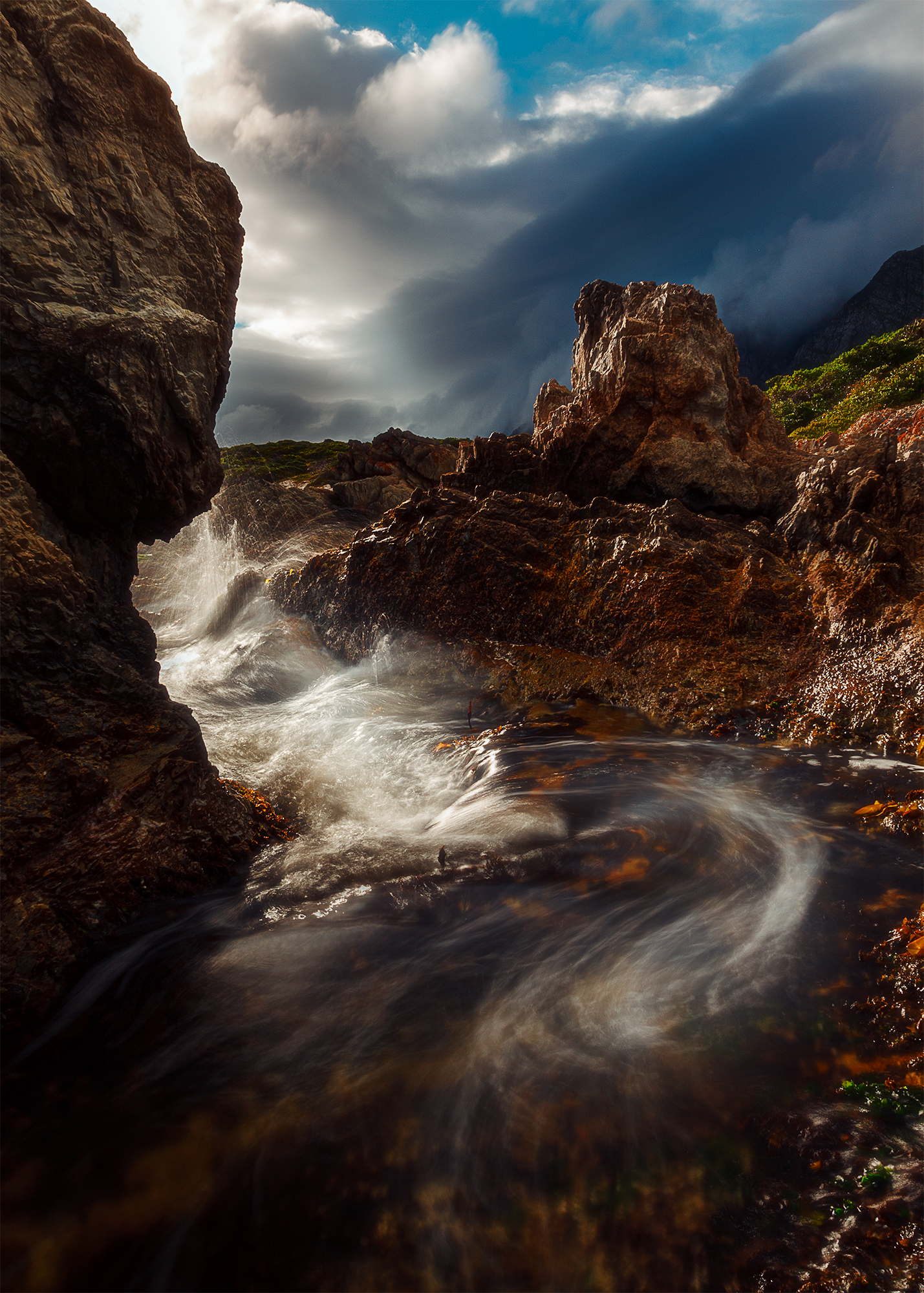
Water flows into a rock pool in Jock’s Bay in the late afternoon.
Canon EOS 450D, Canon EF 16-35mm f/28 L II, NiSi Long Exposure Filter Kit
0.6 sec exposure, f/16, ISO 100
What To Expect
I have been fortunate enough to visit Betty’s Bay regularly since my childhood, where I developed a love for the mountains, the waterfalls, and the point at which they meet the ocean. The ocean currents here can be unforgiving. Many people unfamiliar with the tides and the unpredictability of the currents have been swept off the rocks in this area. As you navigate the treacherous rocky coastline in search of the perfect photograph, you will find several plaques and crosses commemorating those lost to the sea. The combination of foreboding feelings with the beautiful colors and textures in this region often creates stunning subjects for landscape photography. However, the message is clear: proceed with caution.
If you plan on visiting this area, I would suggest packing the following gear:
A camera with decent weatherproofing
A wide-angle lens, such as 16-35mm
A telephoto lens, such as a 135mm or 70-200mm.
A solid tripod and tripod head - Gitzo or Leofoto brands are recommended.
Filters, including polarizers, neutral density, and graduated filters, are a must.
Wear warm, waterproof clothing and boots, as it can get wet near the water, and the jagged rocks along the coast can be extremely sharp.
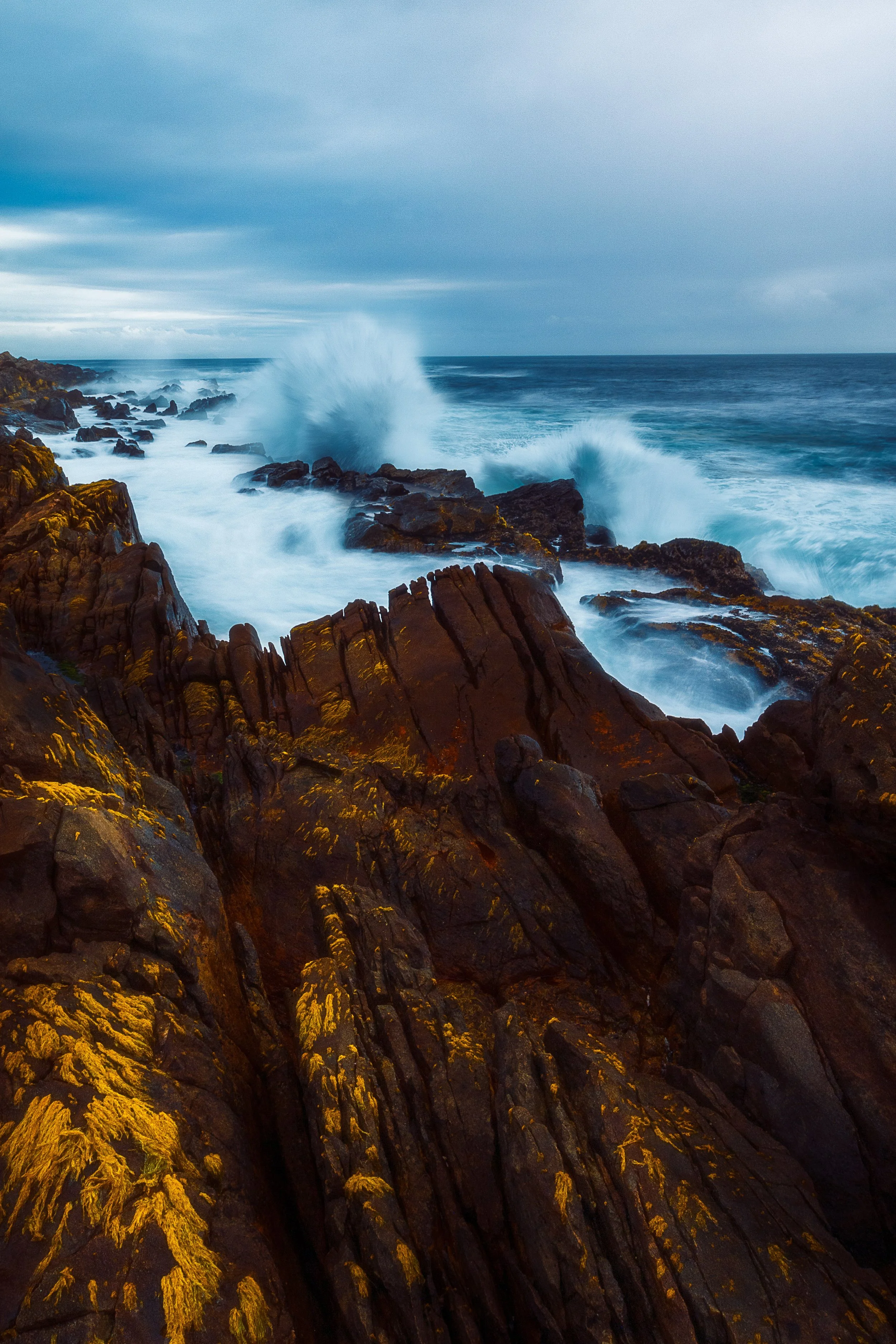
Black Rock, a small area along the Betty’s Bay coastline, is well-known for experiencing some of the largest waves in this region.
Canon EOS 450D, Canon EF 16-35mm f/28 L II, NiSi Long Exposure Filter Kit
1/15th sec exposure, f/16, ISO 100
Always Be Aware Of Your Surroundings
Betty’s Bay’s coastline is still largely untouched by tourism, which is another great reason to visit this coastal town in search of landscapes and seascapes. You’re less likely to find another photographer or tourist inadvertently walking into your shot. The area gets busier from December to January as holidaymakers from Cape Town and Johannesburg visit the town. However, during the off-season months, it becomes a haven for poachers. Betty’s Bay is a biosphere reserve, meaning it’s a protected area. Crayfish, abalone, and a few other species are protected, but this doesn’t stop poachers from diving in and filling their quotas. Tread carefully, especially if you have expensive camera gear. I’ve encountered a group of poachers before, and luckily, it didn’t turn ugly; the outcome could have been entirely different.
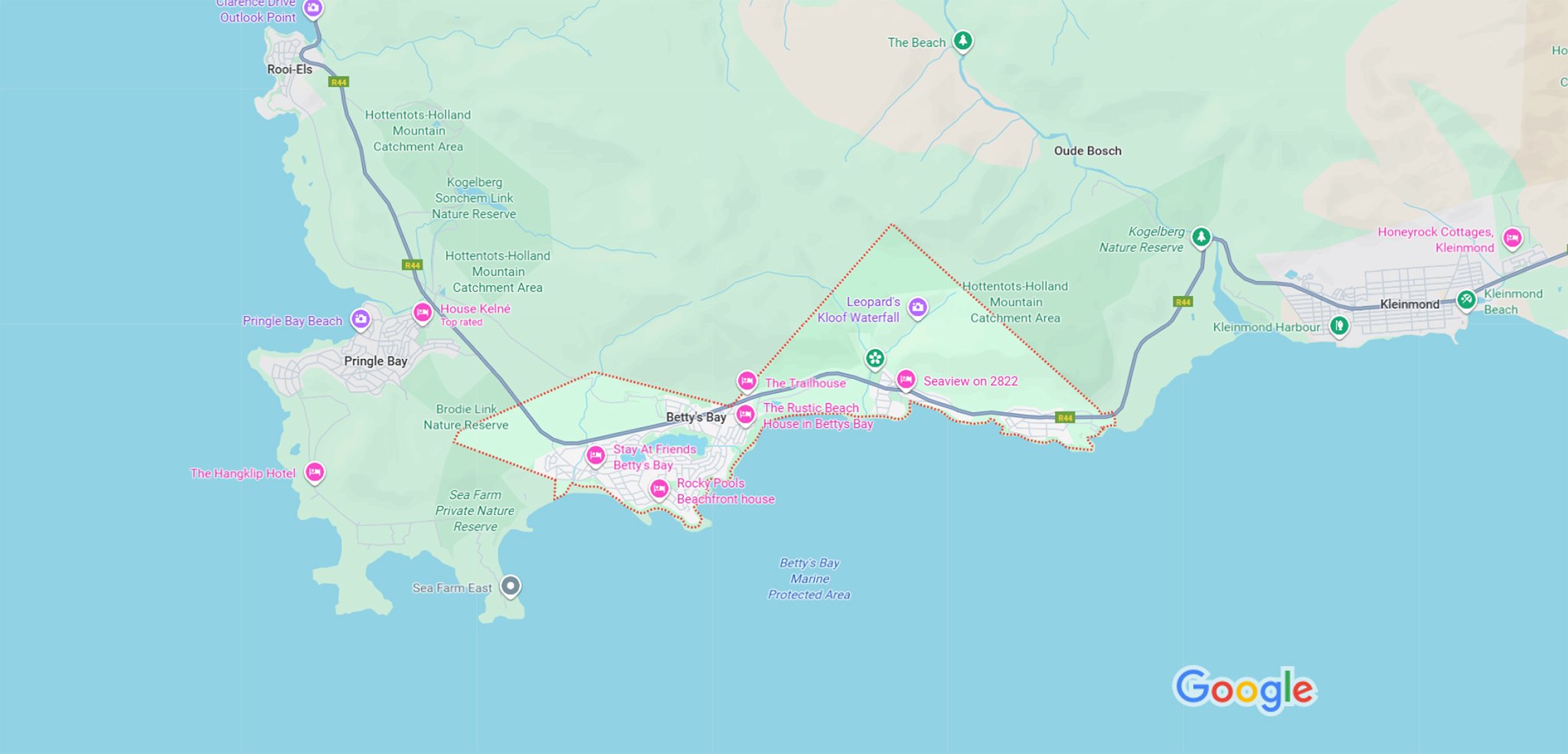
Map of Betty’s Bay, South Africa. Courtesy of Google Maps
In this region, you’ll find some good spots along Jock’s Bay, Black Rock, and further along toward the old abandoned whaling station at Stony Point, which now houses thousands of African penguins (Spheniscus demersus). Most of the coastline is south-facing, making it tricky to shoot sunsets without a house or mountain blocking the light. Sunrise, however, is easier, particularly in the summer months, as it rises from the direction of Hermanus, and there aren’t many houses obstructing the light from that side. In this case, Black Rock and Jock’s Bay would be ideal for sunrise photography.
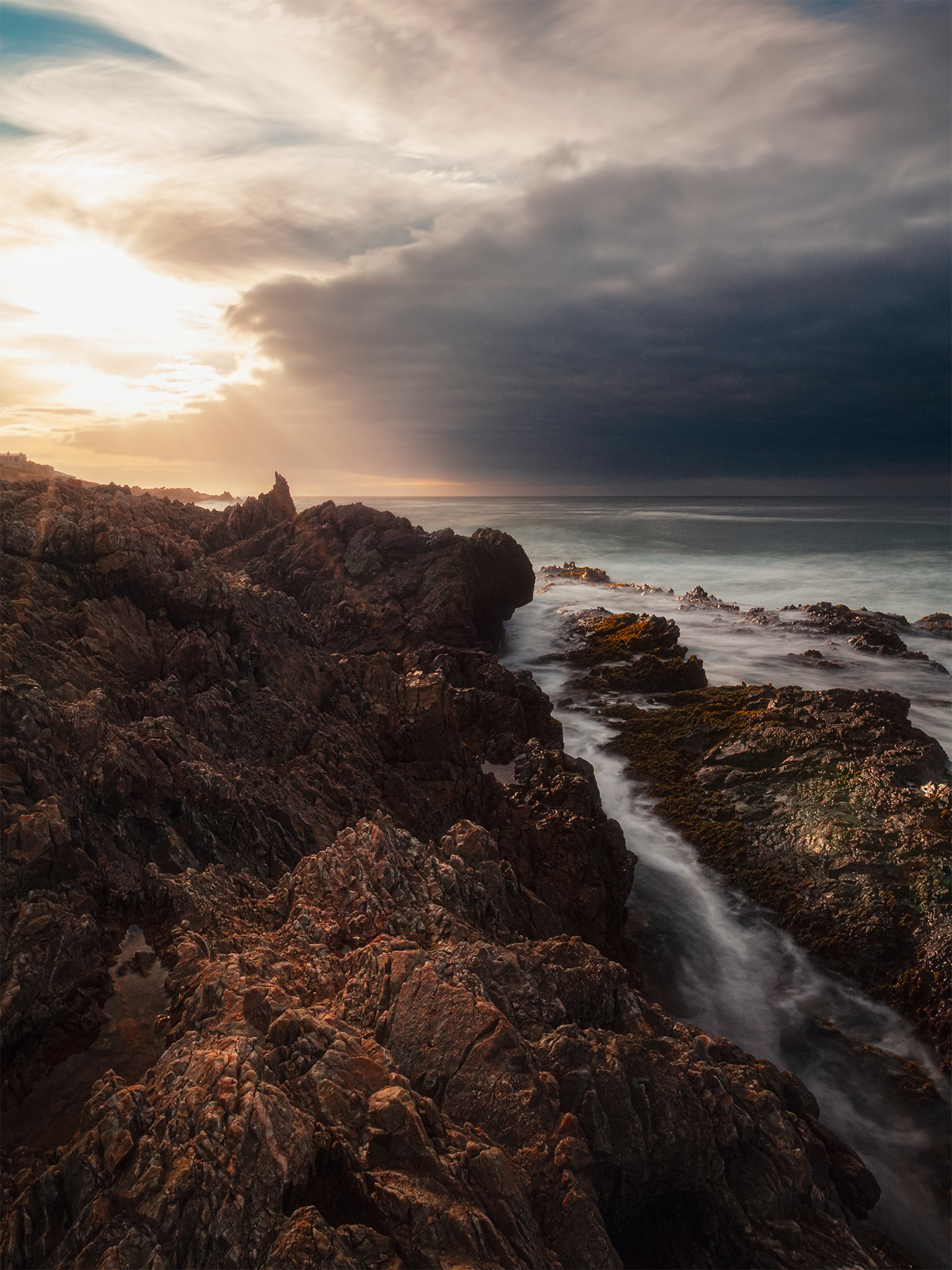
Sunrise near Black Rock.
Canon EOS 450D, Canon EF 16-35mm f/28 L II, NiSi Long Exposure Filter Kit
6 sec exposure, f/16, ISO 100
Alternatives To Seascapes
If the weather is terrible and sunrise and sunset aren’t options, consider visiting the Harold Porter Botanical Garden. Ask at reception if you’re able to visit Leopard’s Kloof, as it requires a small fee and permit for entry. Leopard’s Kloof (or Leopard’s Gorge) is a beautiful waterfall nestled in the Overberg mountains behind Betty’s Bay and can provide good opportunities for long exposure photography. From January to February, you’ll find the red disa flower blooming in this area. I highly recommend using a telephoto lens since the flowers often grow high against the mountain cliffs surrounding the waterfall.
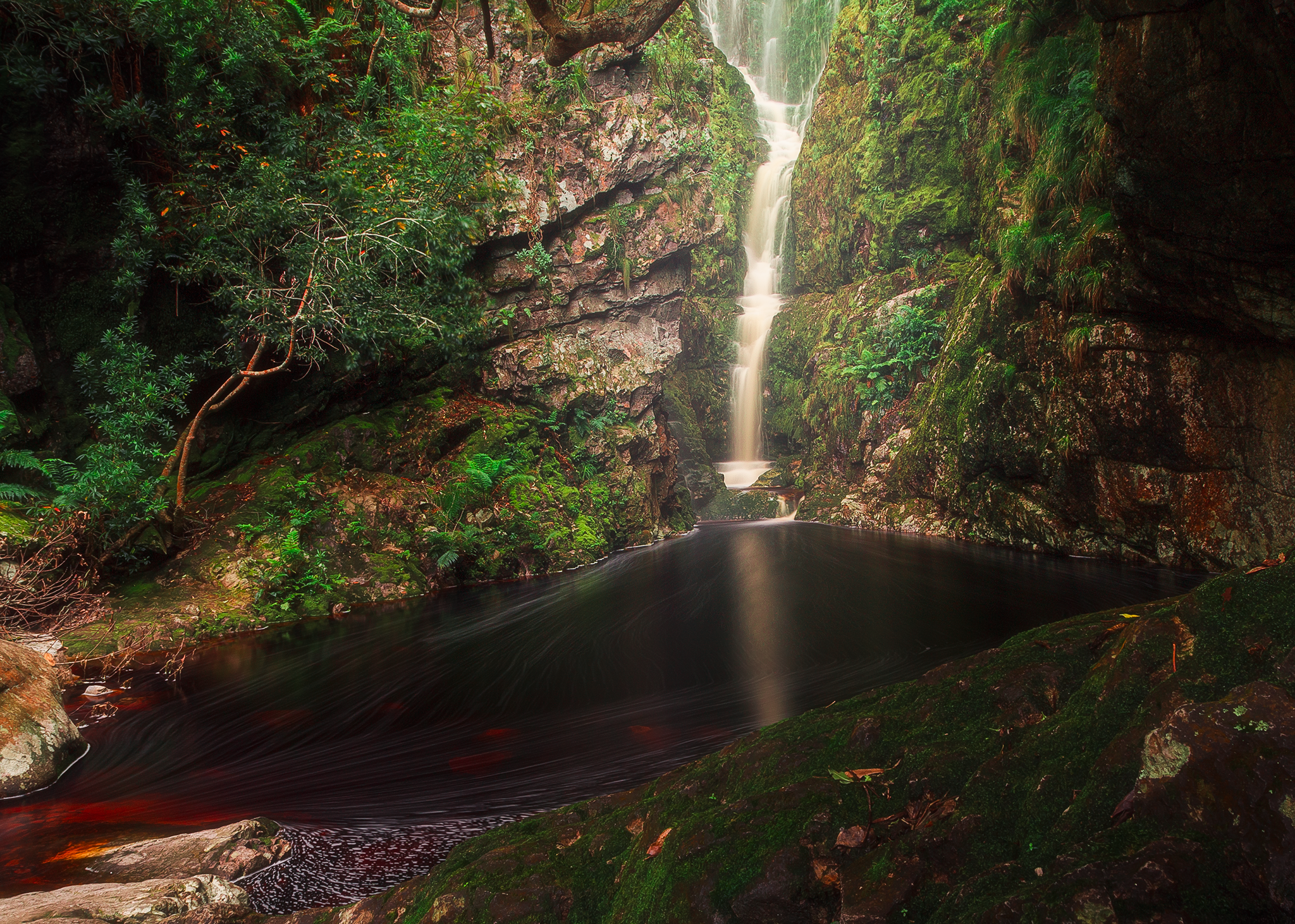
Leopard’s Kloof, Harold Porter Botanical Gardens, Betty’s Bay.
Canon EOS 450D, Canon EF 16-35mm f/28 L II, NiSi Long Exposure Filter Kit
30 sec exposure, f/16, ISO 100
Exploring Further
Traveling from Betty’s Bay toward Cape Town, you’ll pass another small town called Pringle Bay. Here, you’ll find huge, pristine white sandy beaches mostly facing westward, which makes them ideal for capturing sunsets across the ocean. It gets incredibly windy here, so make sure your gear is protected at all times. Moonlight Bay is one specific beach I absolutely loved visiting, as it offers ample opportunity to capture textures with rocky outcroppings along the beach leading toward a lighthouse at the end of the bay.
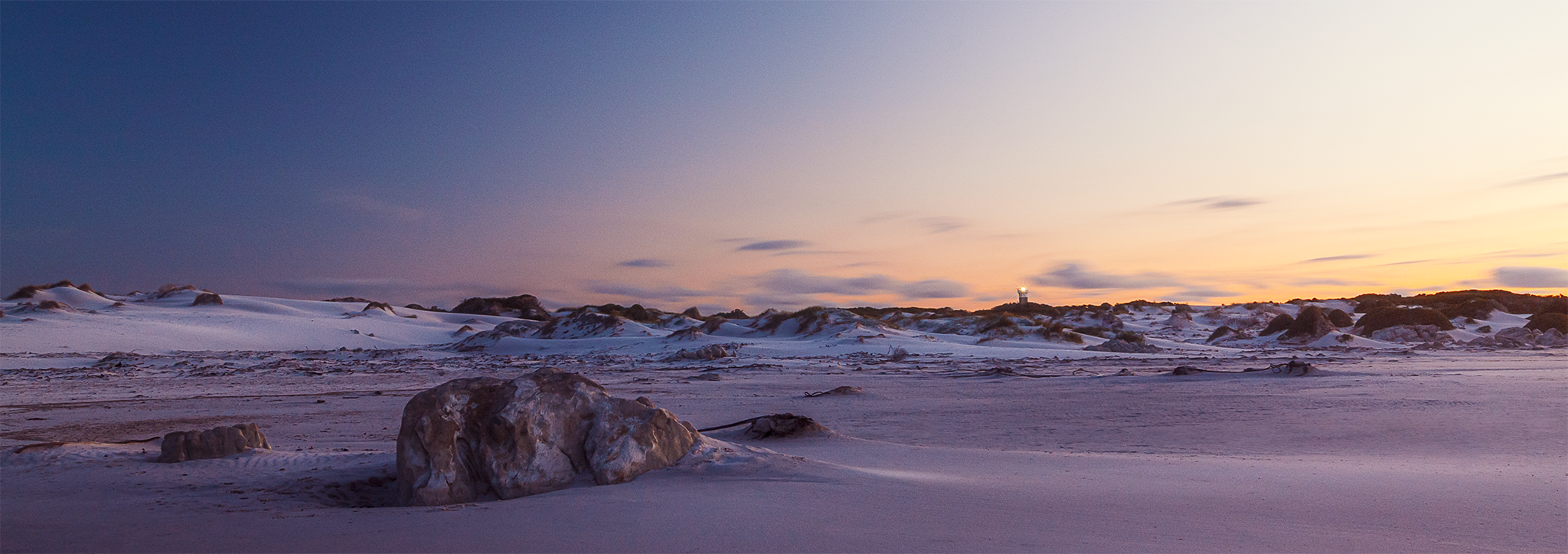
Moonlight Bay offers a good amount of foreground interest with beautiful sunsets.
Canon EOS 450D, Canon EF 16-35mm f/28 L II, NiSi Long Exposure Filter Kit
70 sec exposure, f/16, ISO 100
Once you manage to tear yourself away from this beautiful area and drive toward Cape Town, get on the R44 coastal road. This road would make even Jeremy Clarkson foam at the mouth for its beautiful twists and turns. The scenery along this route is incredible, but like Betty’s Bay, it can be treacherous, as evidenced by the numerous crosses scattered across the rocky cliffs. Outside the small town of Rooi-Els, you’ll find a layby where you can park your car and walk down toward one of these crosses. It’s a steep walk down, so be careful of falling and the occasional snake.
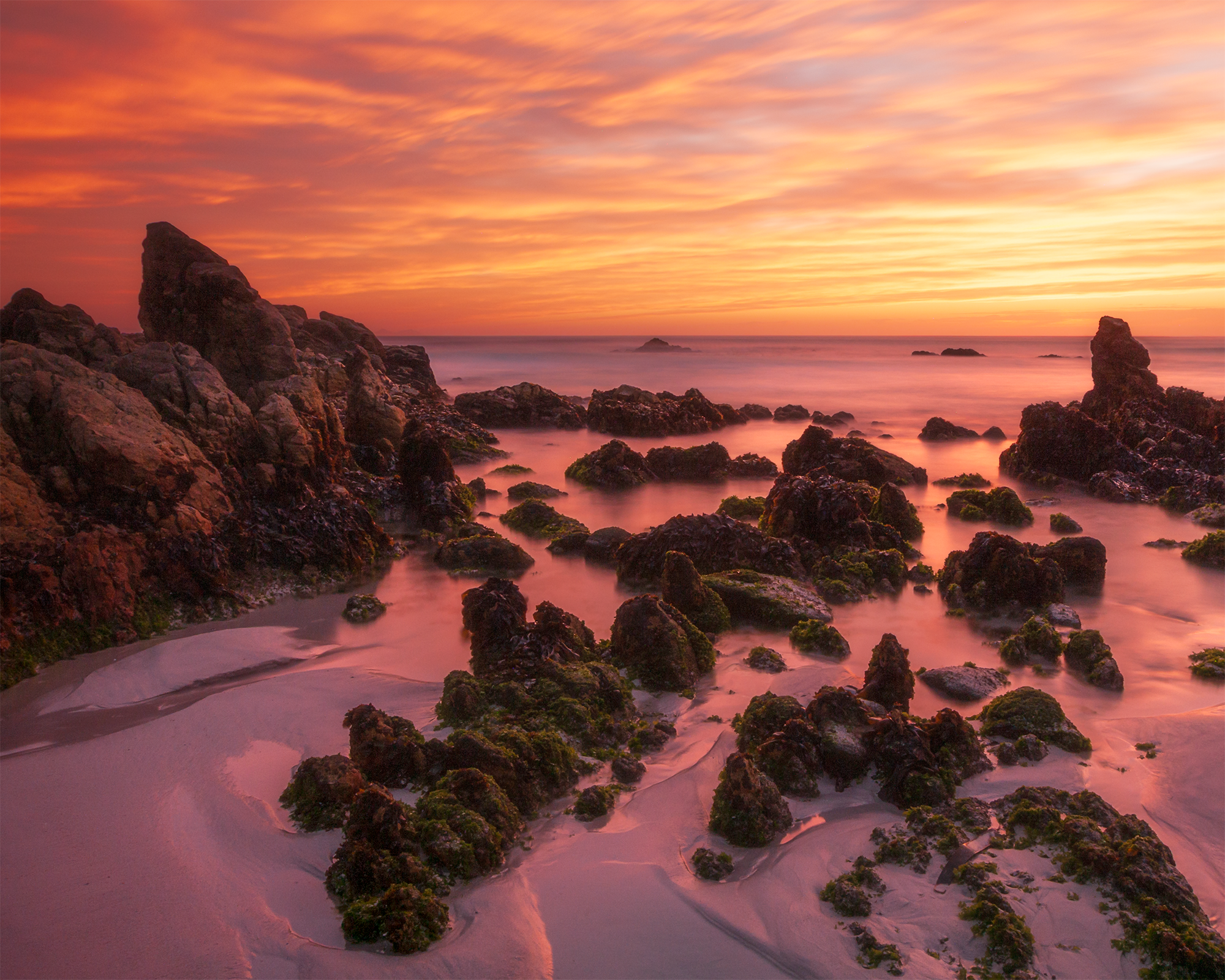
Sunset across Pringle Bay
Canon EOS 450D, Canon EF 16-35mm f/2.8 L, NiSi Long Exposure Filter Kit
20 sec exposure, f/16, ISO 100
The view here stretches across the beautiful False Bay, with the side of Table Mountain visible in the distance. Again, this area is west-facing, making it ideal for sunsets. If you have a drone, it’ll be perfect for capturing the Overberg mountain range, coastal road, and ocean all in one image. Just be sure to abide by the local drone laws and restrictions, if applicable. Along the R44, you'll have plenty of opportunities to stop and take photos, especially at Kogelbay, which is a local surfing and photography hotspot. If you’re lucky, you might even capture some bioluminescence during certain parts of the year when the red tide is present.
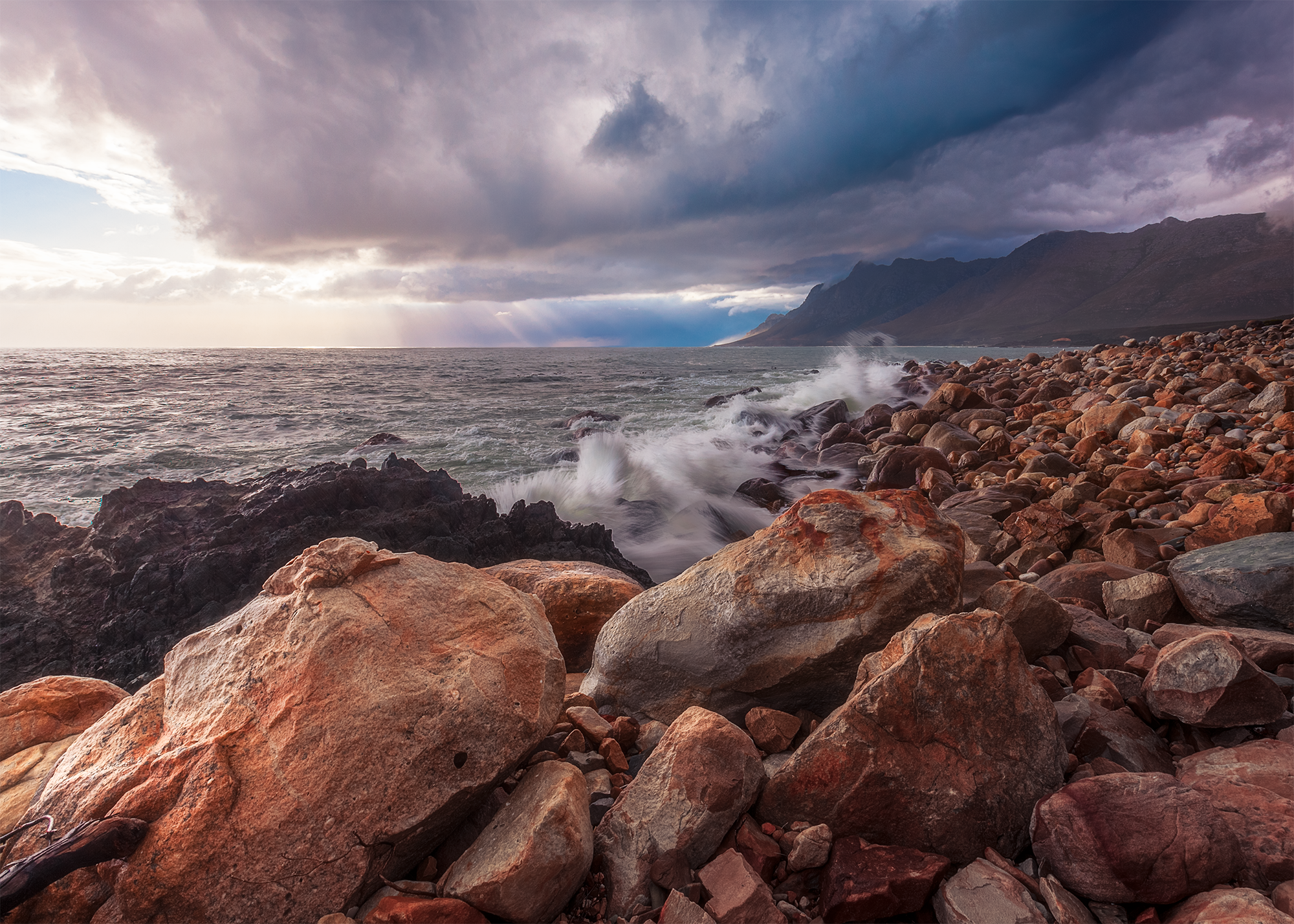
Late afternoon seascape photography next to the R44 coastal road between Rooi-Els and Gordon’s Bay
Canon EOS 5D Mark II, Canon EF 16-35mm f/2.8 L II,
1/80th sec exposure, f/16, ISO 160
Stargazing on a clear night is an absolute must! The Overberg region has minimal light pollution due to the absence of street lights in towns such as Betty’s Bay, Pringle Bay, and Rooi-Els. As a result, capturing long exposure star trails is exceptionally easy. If you're interested in deep sky astrophotography, this location is also fantastic for that.
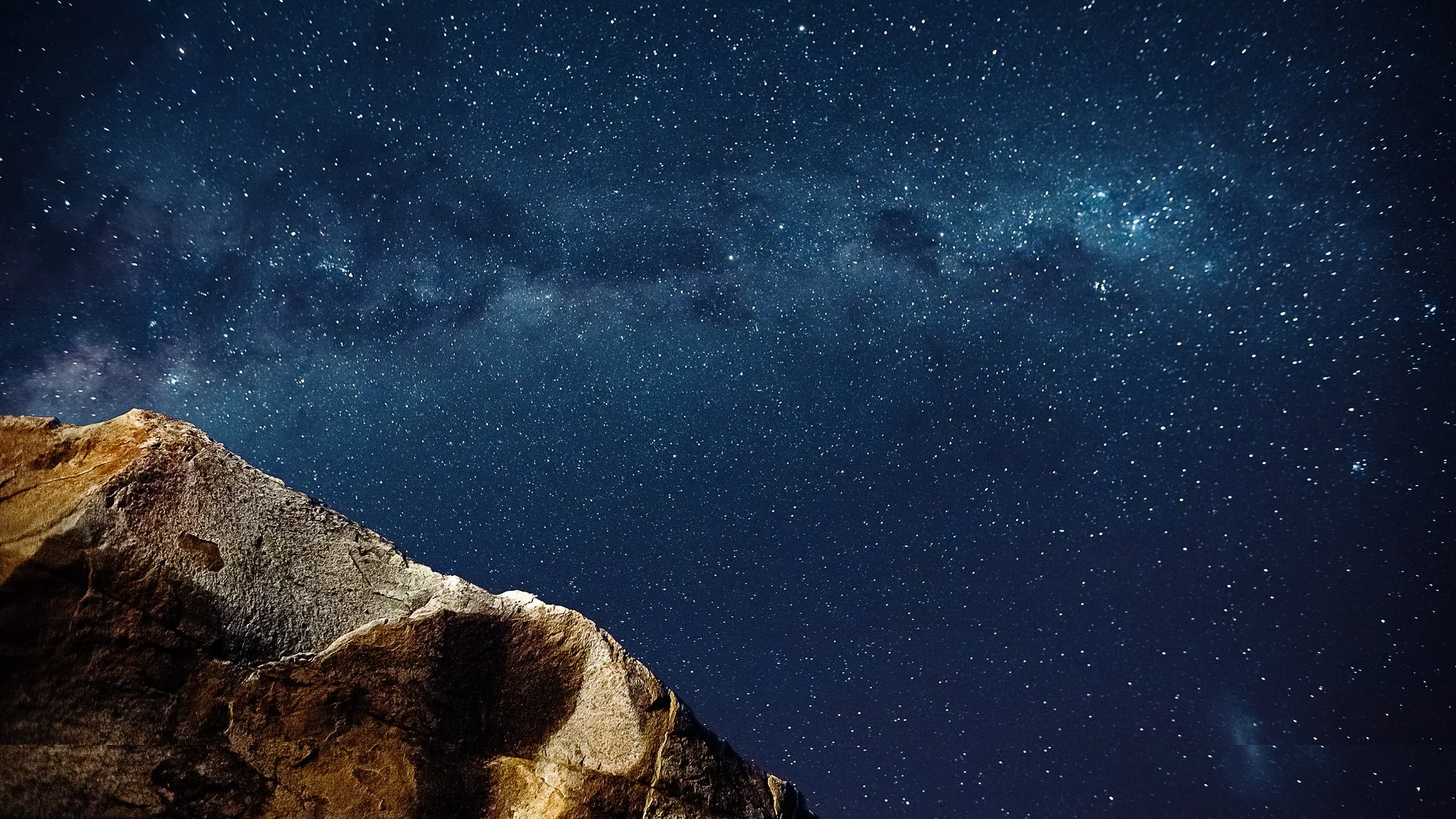
The Milky Way above Betty’s Bay.
Canon EOS 5D Mark II, Canon EF 16-35mm f/2.8 L
6 sec exposure, f/2.8, ISO 3200
Conclusion
I may have strayed a bit from discussing seascapes, but the Overberg region is filled with excellent opportunities for landscape and seascape photography. If the weather is unfavorable and seascapes aren't an option, there are still plenty of other locations worth exploring further inland. Some great alternatives include the Harold Porter Botanical Garden, Kogelbay Reserve, or simply taking a drive out of town. You can head toward Gordon’s Bay via the R44 or take the N2 Highway toward Mossel Bay in the opposite direction. You’ll soon find yourself stopping every few miles to take a photo.
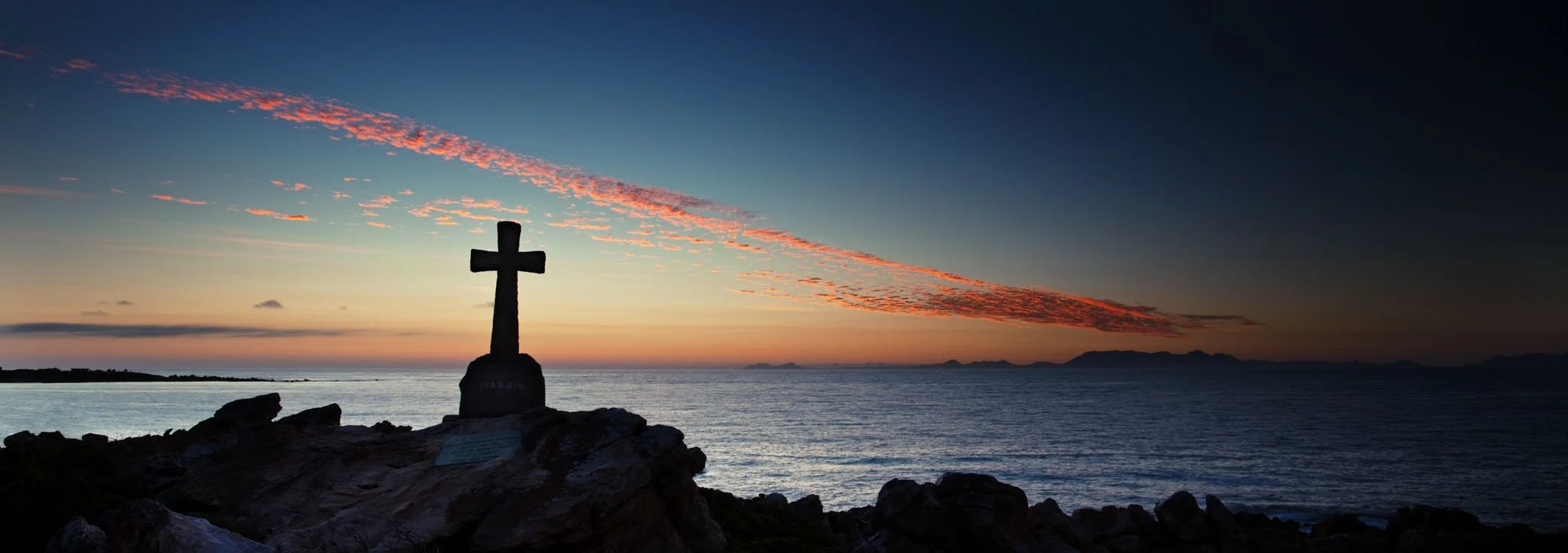
A cross becomes the main focal point during sunset next to the R44 coastal road. In the distance, on the right, you can see Table Mountain and Cape Point.
Canon EOS 5D Mark II, Canon EF 17-40mm f/4 L, Circular Polarizer
1/15th sec exposure, f/11, ISO 200
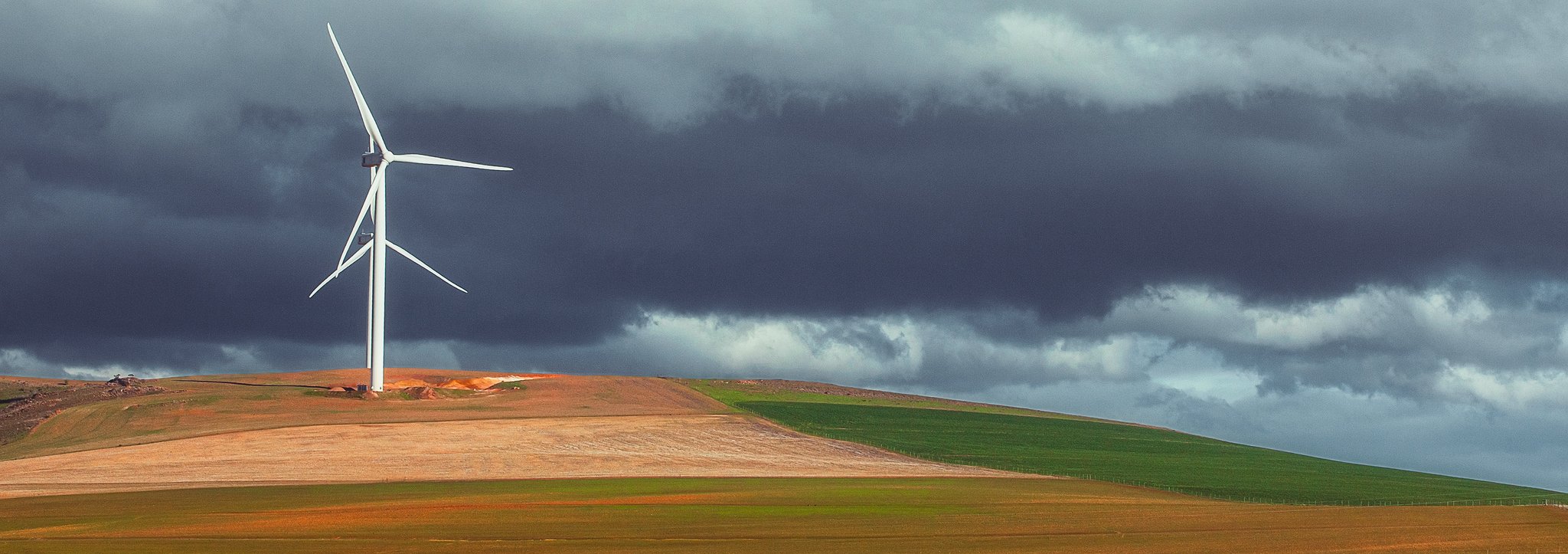
Exploring the landscapes just outside Hermanus. Amazing what you can find right next to the highway.
Canon EOS 5D Mark II, Canon EF 100mm f2.8
1/500th sec exposure, f/16, ISO 200