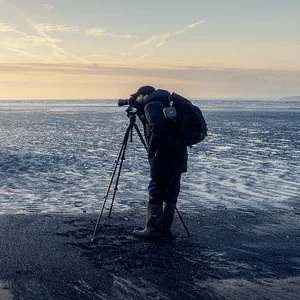

Having become accustomed to photographing seascapes and expansive landscapes in Southern Africa, capturing the forests and woodlands here in Gloucestershire and the Cotswolds presents a completely different experience. It often demands significant scouting, patience, and, of course, warm clothing. During the winter months, the woodlands are wet and icy, and the trees are mostly bare. But that’s not necessarily a bad thing.
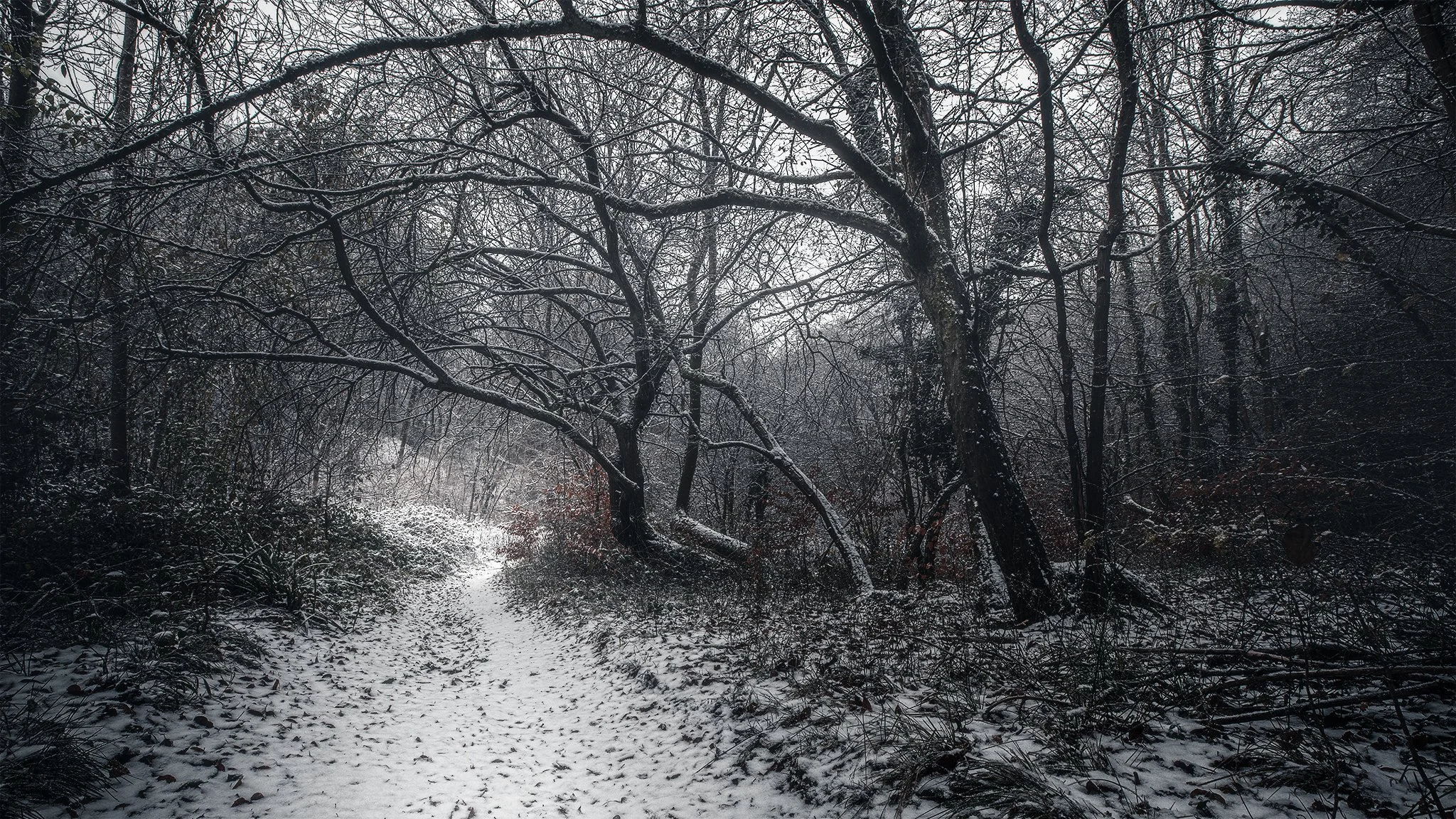
Winter in Buckholt Woods near Painswick, Cotswolds
Woodlands and forests present a significant challenge for me as a landscape photographer. Unlike the seascapes and mountainous terrains I'm accustomed to, which are typically easier to compose and shoot, forests are a jumble of elements. There are numerous objects, textures, trees, grass, plants, and random twigs scattered throughout the forest floor. Composing a shot in this minefield can be painstakingly difficult, as there are so many things that can easily distract the viewer’s eye from the subject in the photograph. However, there are ways to make it easier on yourself and avoid unwanted elements from ruining your composition.
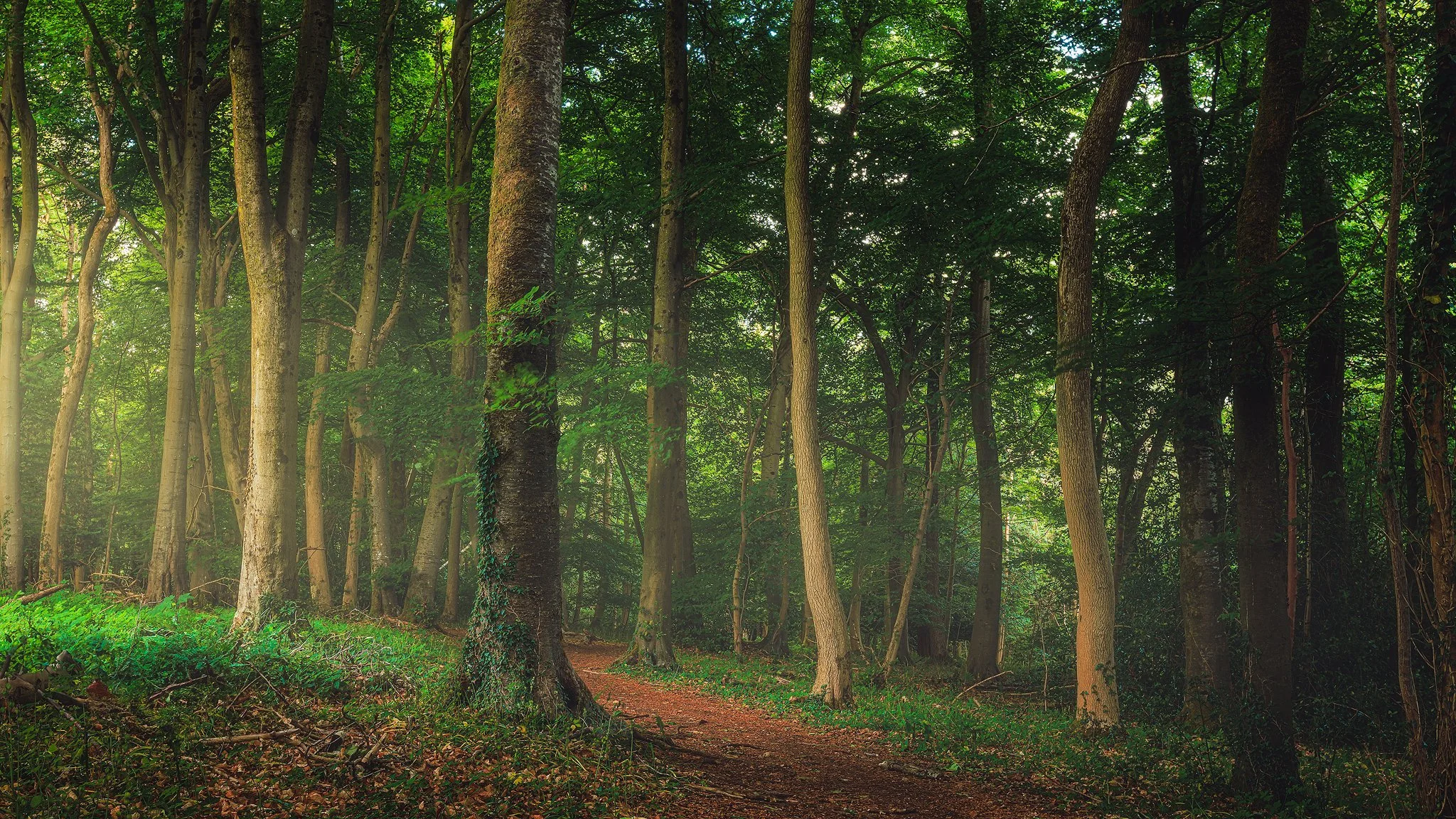
Summer in Buckholt Woods near Painswick, Cotswolds, UK
Getting Started
First thing I usually do when entering a forest is to walk around for a good hour at least. I carry a notepad with me and make notes of areas and elements I find interesting. Once I’m happy with at least two or three areas of interest, I’ll unpack my camera and start heading back to the first location I've noted.
I will move on to study the area by examining the subject that has captured my interest. I'll explore different angles and pay attention to how the light falls on my subject. To determine if the composition works, I will take a few reference stills before setting up my tripod. Once I'm satisfied with the results, I will set up the tripod and choose which filters to use, typically a circular polarizer (CPL) and a 3-stop neutral density (ND) filter, before taking the photo. The circular polarizer increases contrast, removes any reflections, and darkens a blue sky. At the same time, ND filters help me slow my shutter speed when I want to show movement in the scene, such as waterfalls. If you’re looking for a good set of filters, I highly recommend the NiSi JetMag Pro Landscape Filter Kit. If I start by using my 16-35mm f/2.8 wide-angle lens, I might switch to my 135mm f/2 telephoto lens, take a few steps back, and see if that improves the composition. The key here is to have fun and experiment with different camera settings, lenses, focal lengths, apertures, and filters. See what combination works best for you.
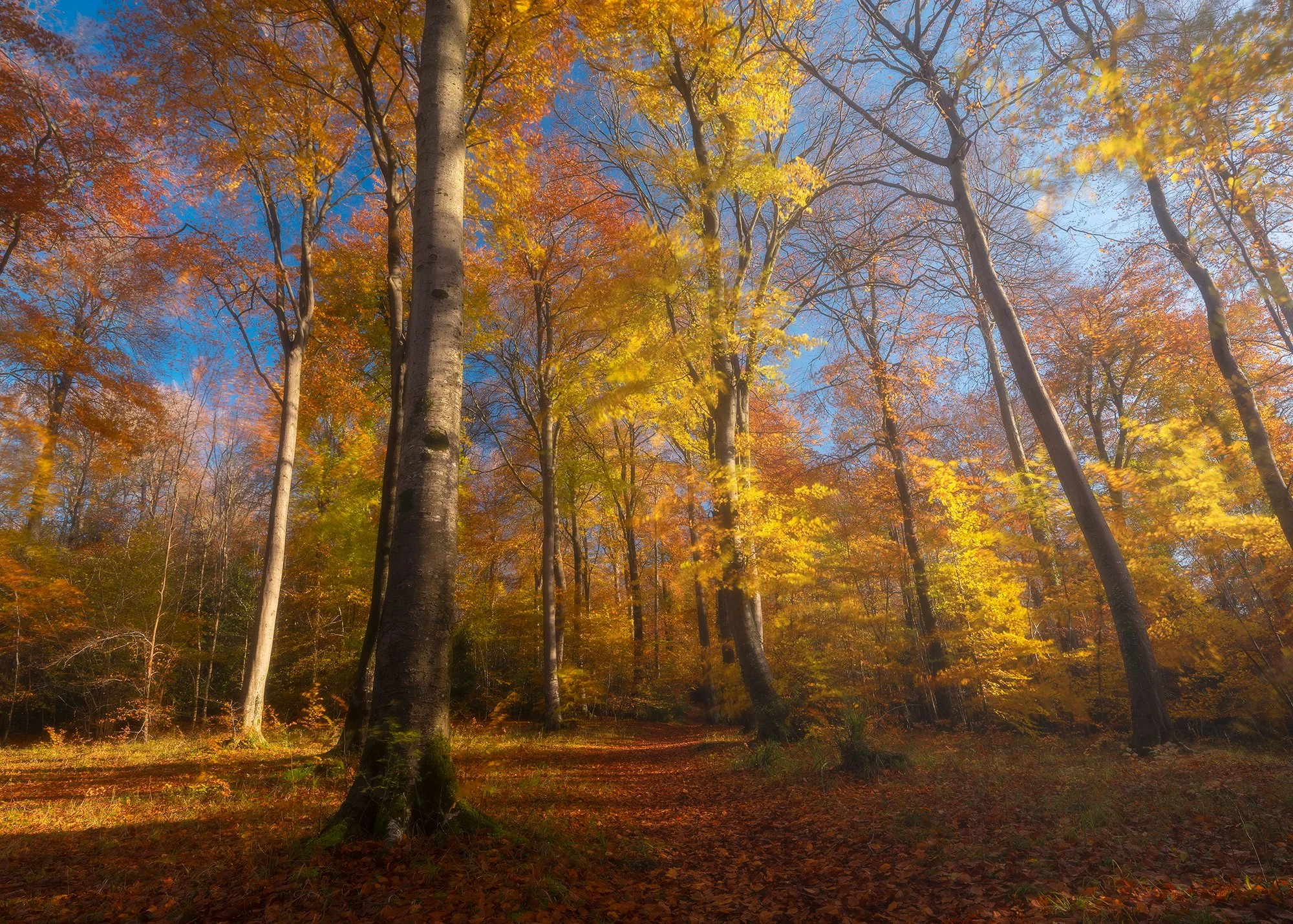
Vibrant colours of Autumn in Buckholt Woods near Painswick, Cotswolds, UK
Keep It Simple
Even though forest photography can be chaotic, it helps to narrow down the focus on shape, texture, color, and patterns. Once you have a subject with at least three out of the four factors (shape, texture, color, and patterns), you’re already on your way to a good photograph. Now it’s just a case of simplifying the composition by removing elements that can be distracting in the foreground. Now, I’m not talking about chopping down trees or anything destructive. You can remove distractions by experimenting with different compositions and focal lengths. I’m a big fan of using my 135mm f/2 at wide open for certain shots, as it keeps my subject sharp while blurring out any distractions in the foreground and background. For anything else I may have missed, I’ll clone it out in Photoshop, although I’m a big supporter of keeping it as natural as possible. The key is never to remove any natural elements permanently. Our job as photographers is to document and observe the world around us. Leave no trail behind.
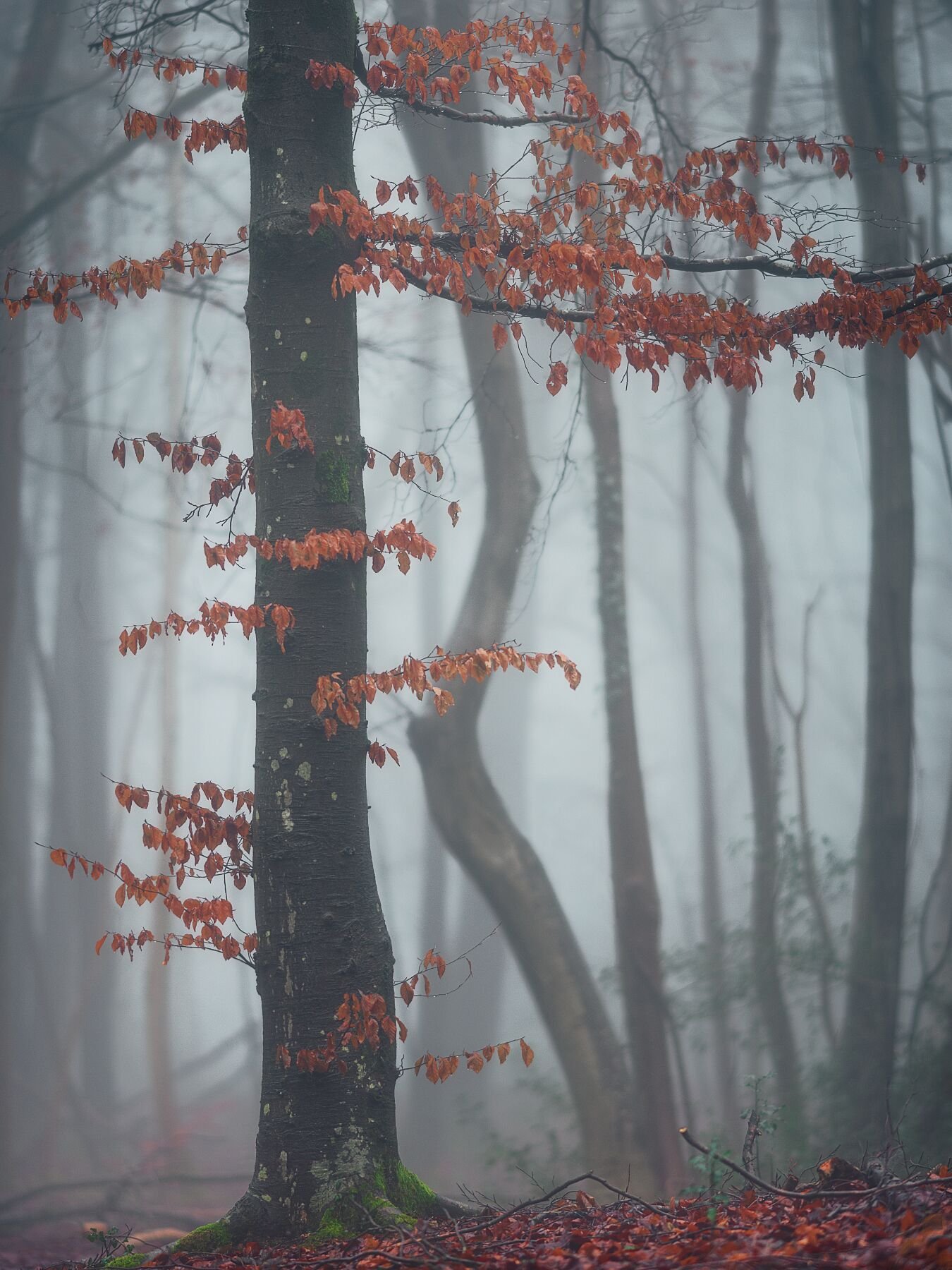
Mist during Autumn is a common occurance in the forests of the Cotswolds
My Favourite Locations In The Cotswolds
The forests of the Cotswolds offer an excellent opportunity to explore diverse landscapes year-round. One of the best aspects is the ample space available. You're unlikely to encounter many other people during your adventures. Below, I'll share a few of my favourite locations around the Gloucester area I've visited over the years, each offering its own unique charm and contributing to the beauty and distinctiveness of the Cotswolds.
Forest Of Dean
The Forest of Dean has a very mysterious look and feel. Some locations, such as Puzzelwood, were used for scenes in Harry Potter and Star Wars, offering loads of moss-covered trees, lakes, and lush greenery. It’s a perfect starting point for anyone looking to get into forest photography.
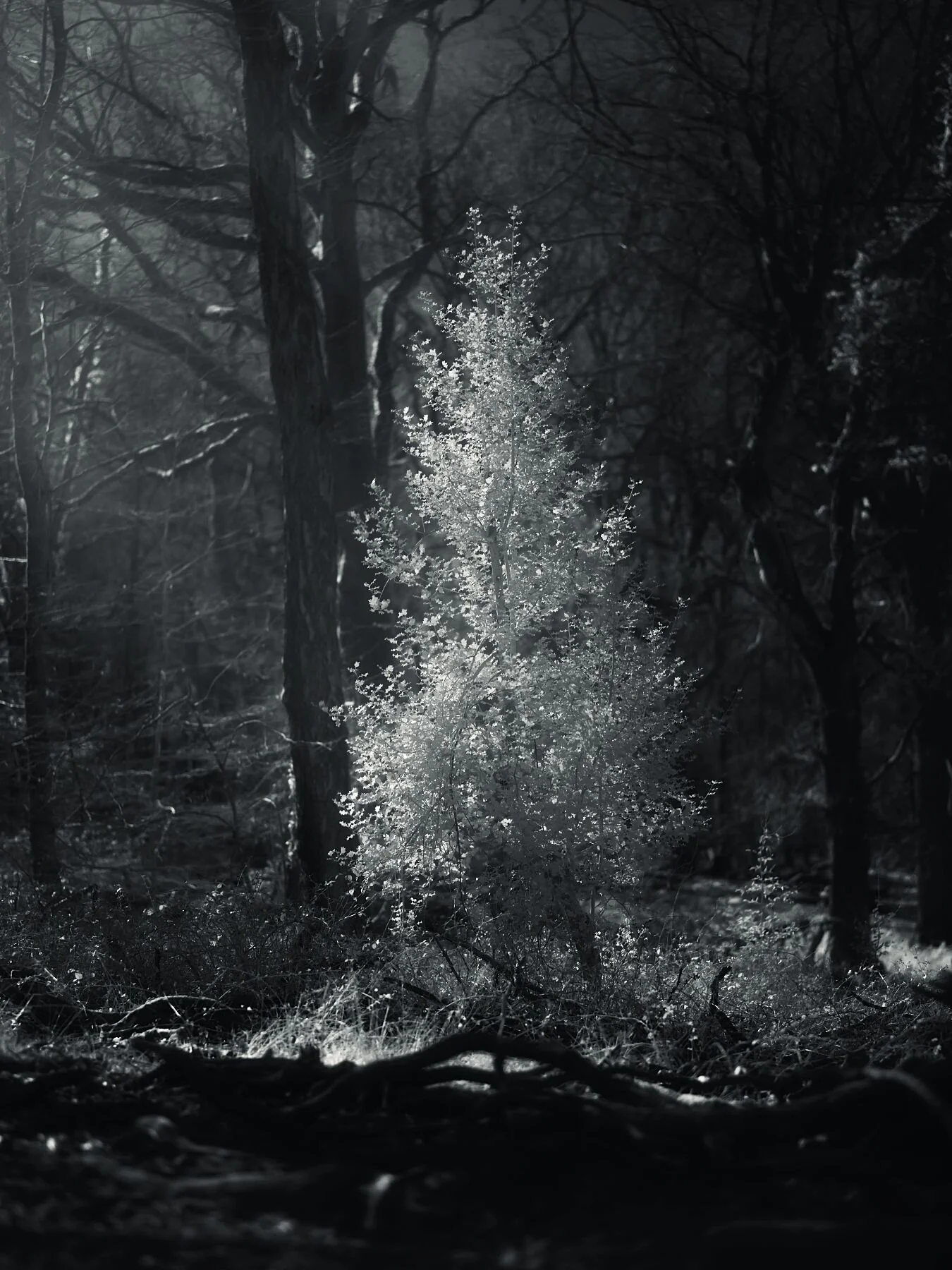
A tree in the Forest of Dean, captured using an Infrared filter.
Painswick Beacon
While it’s not a very dense forest around the beacon and the surrounding golf club, it does offer spectacular views of the hills and forests in the area due to its elevation. If you’re looking to photograph the moonrise or sunset, it also offers a fantastic vantage point. Astrophotographers may struggle here as you’re close to the lights of Gloucester and Cheltenham, giving off quite a bit of light pollution.
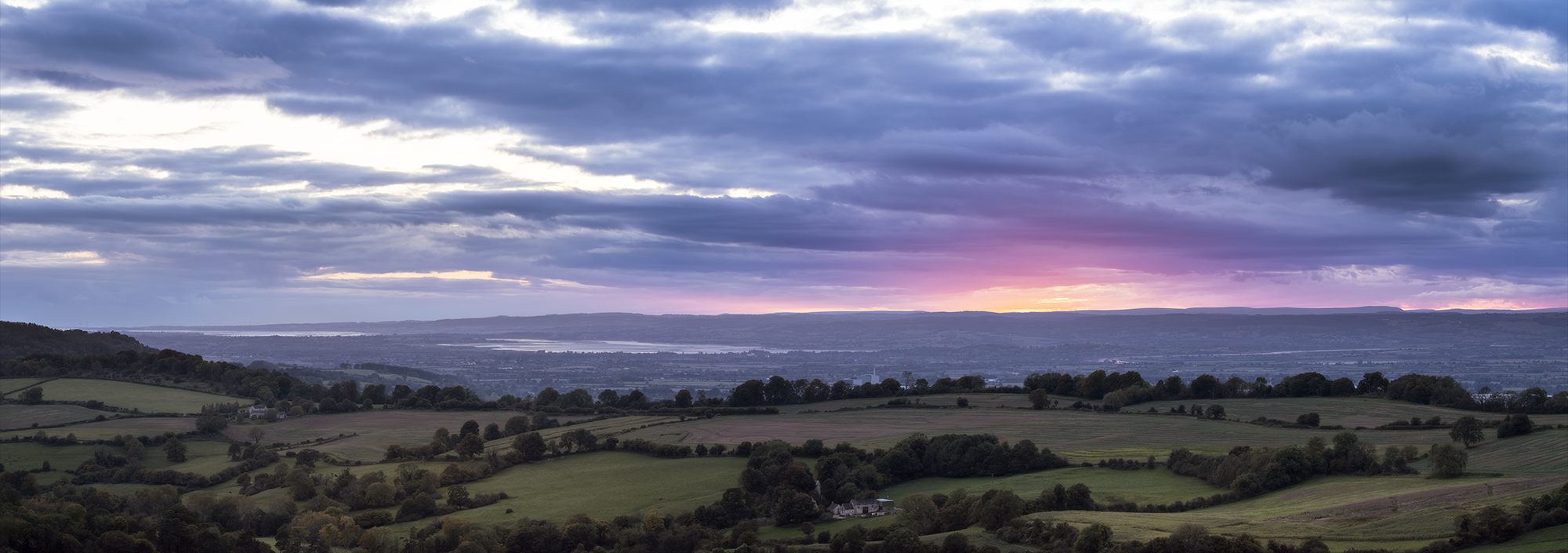
The sunset over Gloucestershire, as seen from the Painswick Beacon near Gloucester, Stroud and Cheltenham.
Buckholt Woods
Driving back from Painswick Beacon toward Cheltenham, you'll encounter Buckholt Woods, one of my favorite locations for photography. This area is diverse, featuring a variety of intriguing tree shapes, some ancient trees, and a small creek. During October and November, the forest transforms into a vibrant display of orange, red, and yellow hues, and if you're fortunate, you might even catch some fog. It truly is a lovely hidden gem in the region.
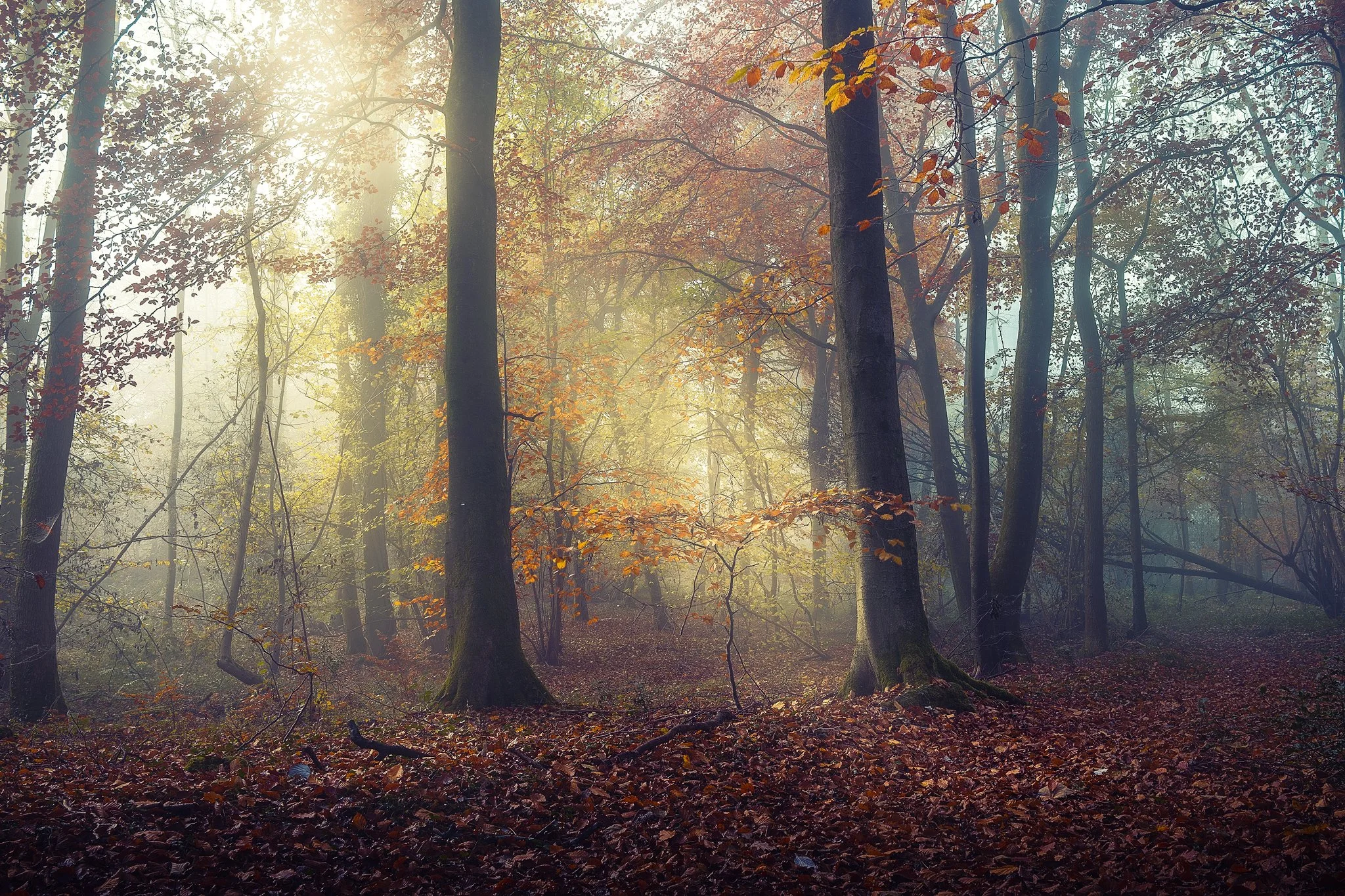
Autumn is one of the best times to shoot in Buckholt Woods, near Painswick and Gloucester.
It's important to remember that light is often limited in forests, especially in dense areas like the Forest of Dean. Be sure to pack a tripod, as you may need it for long exposure shots. While you might be able to increase your ISO and use an image-stabilized lens and camera body, it’s not advisable to rely solely on that. If you plan to use filters, such as a circular polarizer (CPL), having a tripod is crucial since CPLs typically reduce light by a few stops.
Things To Remember
To recap, here are some of the most important things to remember when out shooting in the Cotswolds.
Forests have lots of different textures and elements that can easily distract the eye. Study your subject and find the best composition with the least distractions around the edge of the frames so the viewer’s eyes are going exactly where they intend to go - to the subject.
Using a longer focal length or opening up your aperture can help eliminate distractions in the foreground and background.
Light is limited in forests, so packing a tripod is essential. You’ll be dealing with longer exposure times, which introduces camera shake.
Use a Circular Polarizer (CPL) to enhance contrast and make the colours pop. It also eliminates any reflections on leaves.
Experiment with different compositions and try out more advanced techniques such as HDR and focus stacking.
Forests can get very cold during autumn and winter, so wear waterproof boots and warm clothes.
Leave no trace.
In the end, it’s all about enjoying the experience and experimenting with different techniques. There are all kinds of advanced techniques like panoramic stitching, HDR, and focus stacking to try in forests. But don’t forget the basics of composition, and use the light to your advantage to simplify the scene and eliminate distractions.
If you’re new to photography and want to refine the way you compose, why not download my free guide to compositions? It’s easy to keep it on your phone and open it up for reference whenever you’re out in the field. You can download it here. I’ll also be sending a weekly newsletter with helpful tips and advice, so be sure to subscribe at the bottom of this page.
For now, thanks for reading and happy shooting!
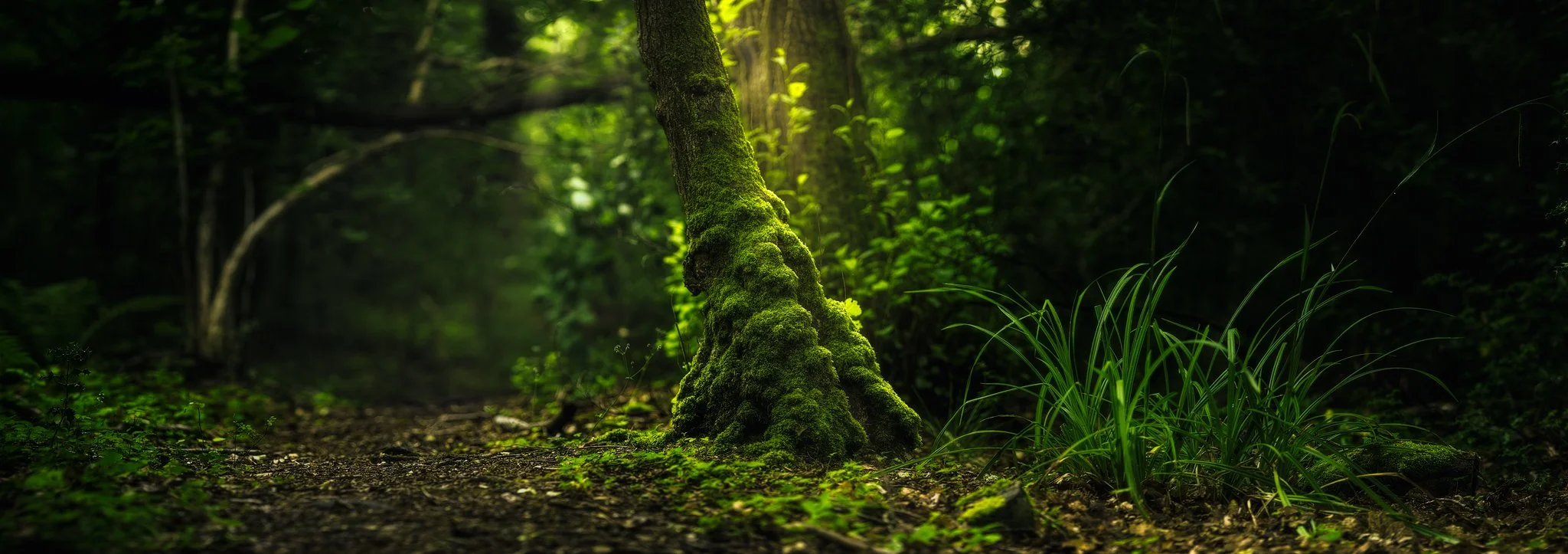
The moss growing on this tree's bark added beautiful texture while being backlit by the sun.
Please note that this article contains Amazon Affiliate links. When purchasing items through these links, you support my website and help me continue providing valuable photography content. I appreciate your support!